

Our Approach is,
...regenerative ...cleaner ...cost effective ...perpetual ...smarter resource management.
For over 50 years, our composting process has served as a sustainable food & yard waste solution, and a provider of organic soil health amendments for communities north of Boston. We serve a wide range of customers as far reaching as Maine and Connecticut, and including landscape professionals, homeowners, land trust partners, and local food producers, all of whom benefit from our commitment to producing highest quality, rich compost products.
Our commitment to quality assurance is rigorous; we closely monitor the entire process and thoroughly test all finished products to guarantee ecological vigor. This ensures that our materials provide a strong, healthy and biodiverse foundation for growing on farmlands, in backyards, and everything in between.
Our Composting Process >>
Clean & Diverse Raw Materials Are Processed Through A Honed Approach To Create Quality Outputs With Real Results To Replace Conventional Inputs.
Partners for Advancing Soil Health


Brick Ends Farm, in partnership with Mayer Tree Service, strictly controls the source ingredients that are used for producing highest quality compost.
Highest-quality compost, rich in biodiversity and microbial life, results from carefully selected raw materials from across the Mayer family of companies and partners. Strategically applying that microbial workforce and their communities where and when needed helps the soil-food-web thrive anywhere.
This partnership for soil health and better quality compost production offers our community significant benefits, e.g. cleaner public spaces, more nutritious food, a smart solution for food waste, and the ability to cultivate healthier soils long-term.
Our Ecologically-Balanced & Biologically-Tested Compost Products
Our compost offers vital microbial communities that contribute to new topsoil. These communities help plants sequester carbon, enriching the soil and fostering growth of even more resilient plants.
Our compost products replace petrochemical fertilizer inputs and eliminate the need for synthetic pesticides or PFAS-laden biosolids as prescribed in conventional turf management and throughout production agriculture.
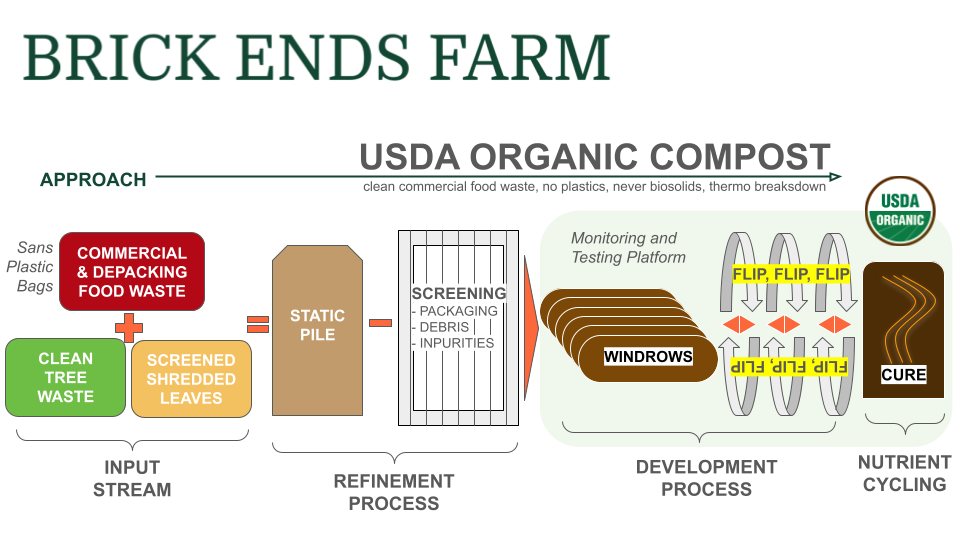
BRICK ENDS FARM
BACKSTORY: Brick Ends Farm is a pioneering compost operation committed to soil ecology and sustainable agriculture. Our founder, Peter Britton, established the farm to eliminate petrochemicals from farming. For a half-century, Brick Ends (Compost) Farm has used this knowledge to grow resilient plants in healthy soils, positively impacting the North Shore of Massachusetts. Today, we divert significant amounts of food waste, leaves, wood, yard refuse, and horse manure from landfills, contributing to local waste reduction.
Peter was an early advocate for connecting soil health with organic backyard management. His understanding of ecology led to expertise in propagating and delivering beneficial microbes. Brick Ends Farm was among the first large compost farms in the Northeast to innovate with worm castings, compost teas, and other soil health extracts. Peter also had the foresight to prevent PFAS-laden biosolids from entering the farm.
Today, under the direction of Dan Mayer and the Mayer companies, Brick Ends Farm continues to provide high-quality compost products rigorously tested for biological vigor. Our goal is to be a solutions provider for the landscape industry and farmers throughout the region.
We Provide Communities:
Clean Greenspace Mgmt.
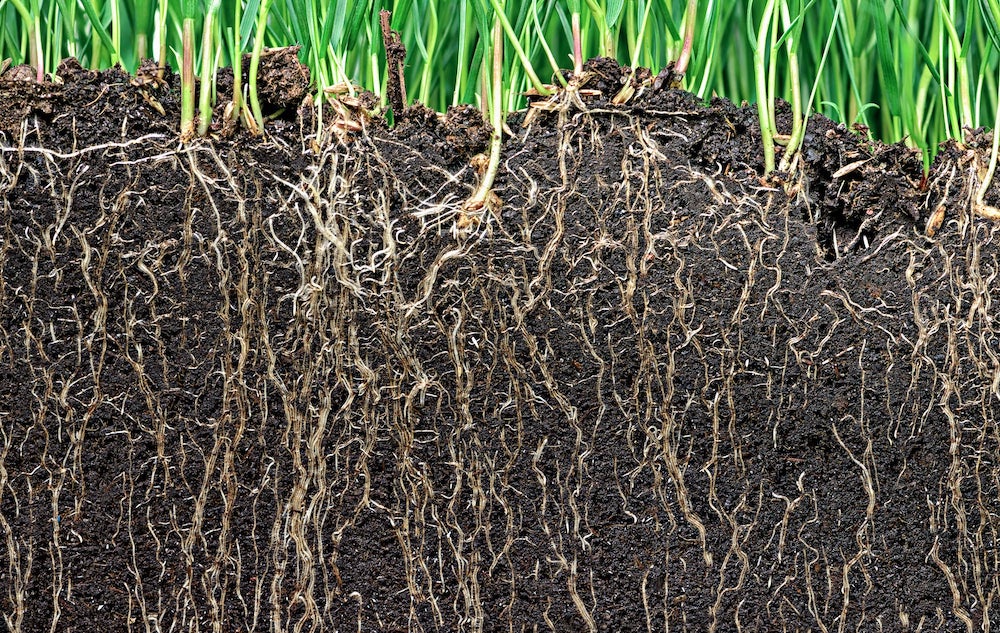
When our compost is applied on turf it establishes optimal conditions for the soil food web to thrive, resulting in more “clean” grass pitches across more backyards and sports fields where our kids play.
Local Organic Food Production

When applied to victory gardens and agricultural fields it establishes optimal conditions for the soil food web to thrive, resulting in more nutrient-dense and resilient crops across diverse systems.
Circular Economy
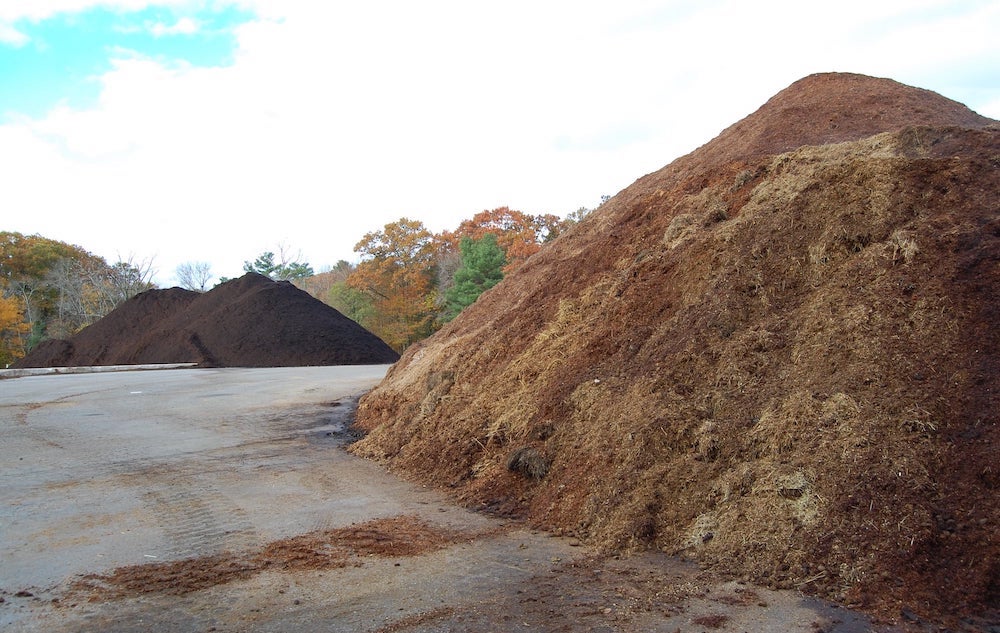
We transform organic waste into high-quality compost within a single season. This is a sustainable solution for communities facing rising waste management costs and a reliance on concerning conventional inputs.